Kindergarten Math Review Worksheets: A Strategic Approach to Back-to-School Readiness
The beginning of the school year is a critical window for establishing academic momentum. For educators, administrators, and parents alike, the transition from summer break to structured learning can often feel chaotic. It is a period defined by re-establishing routines, managing diverse energy levels, and assessing where students stand academically without inducing anxiety. This is precisely why Kindergarten Math Review Worksheets have become an essential tool in modern early childhood education. These resources are not merely busy work; they are carefully designed diagnostic tools that allow teachers to gauge starting points while keeping young learners happily engaged.
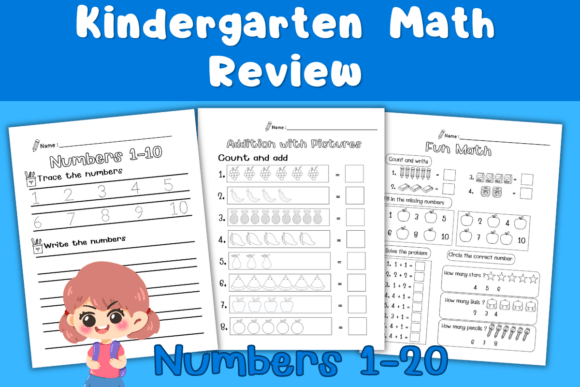
Many educators make the mistake of rushing into new, rigorous curricula during the first two weeks of school. While enthusiasm is commendable, this approach often overlooks the foundational need for concrete number sense and counting fluency. By integrating a 10-page printable packet focused on numbers 1–20 addition and basic math concepts, you create a stress-free environment for assessment. The inclusion of signature hand-drawn doodle designs serves a pedagogical purpose beyond aesthetics: it reduces cognitive load and makes the material approachable for five-year-olds who may be experiencing separation anxiety or general back-to-school jitters.
Understanding the Value of Diagnostic Warm-Ups
One of the most common pitfalls in early education planning is assuming that all students enter kindergarten with the same baseline knowledge. In reality, skill gaps can vary significantly. Using Kindergarten Math Review Worksheets as morning work or math center warm-ups allows you to collect valuable data on each student’s proficiency in counting, number recognition, and simple addition. This information is crucial for differentiating instruction later in the term.
Consider the alternative: waiting until mid-October to realize that half your class struggles with basic number sequencing. By then, you have lost valuable instructional time catching up. A diagnostic homework packet or a daily warm-up activity provides immediate feedback. It helps you identify which students need one-on-one support with number formation and which are ready to move quickly into more complex problem-solving. This proactive approach saves time and resources in the long run, ensuring that no child is left behind due to a lack of early intervention.
Common Missteps When Selecting Early Learning Resources
While the intent behind using review worksheets is sound, the execution often falls short due to poor resource selection. Here are several frequent errors educators make when choosing materials like Kindergarten Math Review Worksheets Numbers 1–20 Addition, along with strategies to avoid them.
- Prioritizing Volume Over Quality: Many teachers download free packets that contain dozens of pages filled with repetitive, low-quality clip art or unclear instructions. This leads to student frustration and teacher burnout. Instead, opt for smaller, curated packets (such as the 10-page version mentioned) that offer high-impact practice. Fewer pages mean less grading time and higher engagement per page.
- Ignoring Developmental Appropriateness: Not all "kindergarten" worksheets are suitable for all kindergarteners. Some focus heavily on writing, which can be physically taxing for young hands. Look for resources that balance fine motor skills with conceptual understanding. The hand-drawn doodle style found in premium resources often encourages creativity rather than rigid compliance, fostering a positive attitude toward math.
- Lack of Format Flexibility: Assuming that digital resources will print perfectly is a costly error. Always verify that the file format is compatible with standard printers. The ideal resource should be in PDF format, letter size (8.5 x 11 inches), and require zero preparation. If you find yourself spending hours editing or resizing pages before use, the resource is not truly "no-prep," and its efficiency drops significantly.
- Overlooking Licensing Restrictions: Purchasing educational materials often comes with specific usage rights. A common misunderstanding is that buying a digital product grants unlimited sharing rights. Most reputable creators allow copies only for the original purchaser’s own classroom. Sharing files across multiple classrooms or schools without proper licensing agreements can lead to legal issues and undermines the hard work of independent educators. Always check the terms of use before distributing materials.
Evaluating Usability and Engagement Factors
When evaluating whether a set of Kindergarten Math Review Worksheets will work for your specific classroom dynamic, consider the context of use. Are these intended for early finishers? Morning work? Homework? Each context requires a slightly different design approach. For example, morning work should be calming and routine-based, allowing students to settle in. Early finisher activities need to be self-explanatory so students can work independently without constant teacher intervention.
A well-designed packet addresses these varied needs. The 10-page structure offers enough variety to prevent boredom but remains manageable for quick assessment. Furthermore, the focus on numbers 1–20 addition is developmentally appropriate for the start of the year. It reinforces counting fluency without overwhelming students with multi-digit operations that they have not yet mastered. This targeted focus ensures that practice is meaningful and builds confidence.
Best Practices for Implementation
To maximize the benefits of these worksheets, integrate them strategically into your weekly schedule. Do not treat them as isolated tasks. Use the results to inform your small group instruction. If a student consistently misses problems related to number recognition, incorporate manipulatives like counters or blocks into their next lesson. This connects the abstract worksheet activity with concrete learning experiences.
Additionally, leverage the aesthetic appeal of the hand-drawn designs. Encourage students to color or decorate their answers if permitted, turning the assessment into a creative outlet. This subtle shift can transform a potentially stressful evaluation into a enjoyable activity. Teachers who take the time to personalize their implementation often see higher participation rates and more accurate data collection.
Finally, remember the importance of community support in the educational ecosystem. When you purchase a resource from an independent creator, you are supporting a cycle of innovation. Leaving a review and following the store for more seasonal activities helps ensure that high-quality, teacher-friendly resources continue to be developed. Your feedback directly influences future improvements, making these tools even more effective for subsequent cohorts of students.
In summary, the successful integration of Kindergarten Math Review Worksheets relies on thoughtful selection and strategic implementation. Avoid the trap of quantity over quality, respect licensing agreements, and prioritize developmental appropriateness. By doing so, you create a supportive, efficient, and engaging learning environment that eases students back into school life while laying a solid foundation for mathematical success. The goal is not just to teach math, but to cultivate a love for learning that lasts throughout the entire academic year.